
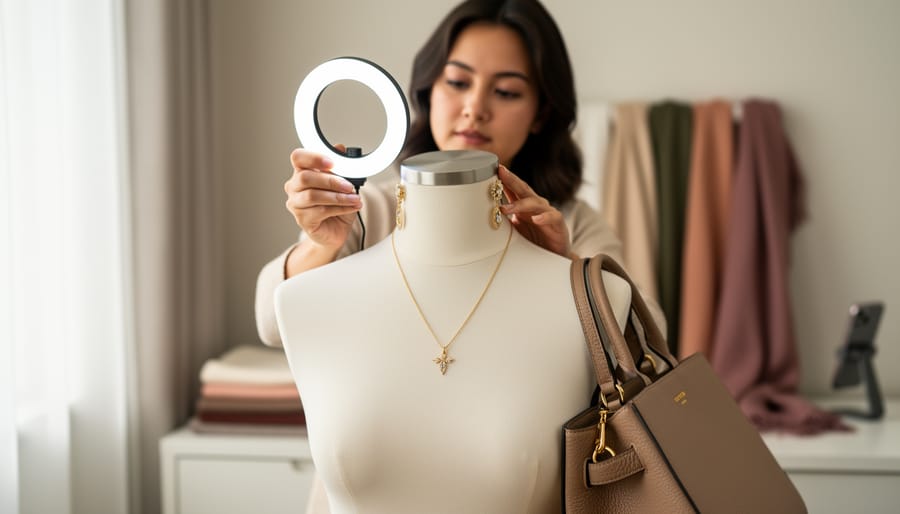
What Are Ecommerce Influencers (and How Do They Shape Accessory Trends)?
Ecommerce influencers are content creators who use their social media platforms and online presence to shape purchasing decisions, promote products, and drive sales for online brands through authentic storytelling and personal recommendations. Think of them as the digital era’s trusted friend who knows exactly which pendant necklace will complete your look or which handbag deserves a spot in your collection.
In 2026, these tastemakers have fundamentally changed how we discover and buy fashion accessories. Instead of scrolling through endless product pages, you’re watching someone you trust style three different scarves in fifteen seconds, swipe up to shop, and the piece arrives at your door two days later. The numbers tell the story: fashion brands now allocate substantial marketing budgets to influencer partnerships because they convert browsing into buying better than traditional ads ever did.
What makes ecommerce influencers particularly powerful in the accessories world is their ability to show context. A statement earring on a product page looks interesting. That same earring styled five different ways by someone whose taste you admire? That’s inspiration you can act on immediately. They bridge the gap between wanting something and understanding how it fits into your life.
This guide breaks down exactly what ecommerce influencers are, how they function within the digital shopping ecosystem, the different types you’ll encounter, and what makes certain influencers genuinely effective versus those just chasing affiliate commissions. You’ll learn to spot authentic recommendations and understand how this phenomenon shapes the way you discover your next favorite accessory.
What Ecommerce Influencers Really Are
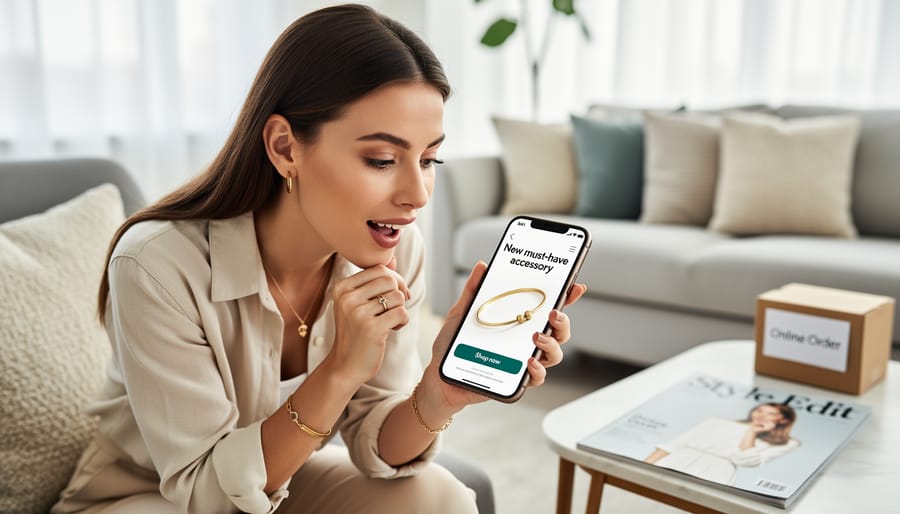
Ecommerce influencers are content creators who specialize in turning social media inspiration into actual purchases. Unlike traditional influencers who build brand awareness or lifestyle aesthetics, these creators maintain a direct pipeline to your shopping cart through clickable product links, affiliate partnerships, and Instagram Shopping tags. Every styled photo, unboxing video, or accessory haul they post is designed not just to inspire but to convert, making it easy for you to go from “I love that bag” to “Order placed” in seconds.
What sets ecommerce influencers apart is their commerce infrastructure. When a traditional influencer posts a gorgeous outfit, you might screenshot it for later or spend twenty minutes hunting down similar pieces. When an ecommerce influencer does the same, you tap a product tag, land on a purchase page, and often get a discount code too. They’ve eliminated the friction between desire and acquisition.
- Affiliate Links
- Trackable URLs that earn influencers a commission when followers purchase through them, creating financial incentive for product recommendations.
- Shoppable Posts
- Instagram content with embedded product tags that link directly to purchase pages, removing search effort for interested buyers.
- Conversion Rate
- The percentage of viewers who actually buy after seeing a post, the key metric that separates effective ecommerce influencers from those with large but passive audiences.
- Brand Partnerships
- Formal collaborations where influencers receive payment or product in exchange for creating content that drives sales to specific retailers or designers.
- Micro-Influencers
- Creators with smaller followings (typically 10,000-100,000) who often achieve higher conversion rates due to deeply engaged, niche communities.
This matters especially in the accessories world because purchasing decisions happen fast. You see a pair of gold hoops styled three different ways in a Reel, you want them, and the product link is right there. Accessories are visual, impulse-friendly, and perfect for the quick-hit format that ecommerce influencers have mastered. They’re not asking you to commit to a $500 coat after weeks of consideration, they’re showing you how a $45 crossbody bag works with your existing wardrobe, and you can own it by tomorrow.
How Ecommerce Influencers Drive Accessory Sales
The Instagram Advantage for Accessories
Instagram’s visual-first design makes it the perfect stage for accessories to shine. While ecommerce influencers operate across multiple platforms, Instagram consistently delivers the highest engagement and conversion rates for bags, jewelry, and shoes. The platform’s format lets these creators showcase accessories from every angle, in motion, and styled into complete looks that help you visualize exactly how a piece will fit into your wardrobe.
Carousel posts have become essential for accessory content because they let influencers show a handbag’s interior pockets, a necklace’s clasp detail, or how a belt looks with three different outfits. You get the comprehensive view that a single product photo can’t deliver. Reels take it further with quick styling tutorials, watching someone layer delicate necklaces or demonstrate five ways to wear a scarf stick gives you confidence to try it yourself.
Stories create urgency that drives immediate purchases. When an ecommerce influencer shares a limited-time discount code or alerts you that a sold-out bag just restocked, you can tap straight through to buy before it disappears again. The 24-hour lifespan of Stories taps into our fear of missing out, especially for trending accessories.
The Shopping tag feature sealed Instagram’s dominance. You spot a pair of earrings in a post, tap the product tag, and land directly on the purchase page without leaving the app. That frictionless path from inspiration to transaction explains why accessory brands prioritize Instagram partnerships with ecommerce influencers over other platforms in 2026.
Different Types of Ecommerce Influencers in the Accessory World
Not all ecommerce influencers operate the same way, and understanding the different tiers helps you find the voices that actually resonate with your accessory style. The influencer landscape breaks down into distinct categories, each with its own strengths when it comes to shaping what ends up in your jewelry box or closet.
Mega-influencers, those with over a million followers, bring massive visibility to accessory trends. When they feature a specific handbag or statement necklace, it can sell out within hours. Their reach is undeniable, but their recommendations often feel more like traditional advertising. You’re getting exposure to what’s trending broadly, not necessarily what works for your specific taste or budget.
Mid-tier influencers, sitting between 100,000 and a million followers, strike a different balance. They’ve built dedicated communities around specific aesthetics, think minimal jewelry enthusiasts or vintage handbag collectors. Their followers trust them because they’ve proven their expertise over time, not just their reach. These creators often have the sweet spot of influence and authenticity, making their accessory recommendations feel both aspirational and achievable.
Micro-influencers, with followings under 100,000, are where things get interesting for accessory shopping. Despite smaller audiences, they typically drive higher engagement and conversion rates. Why? They’re hyper-focused. A micro-influencer might specialize exclusively in sustainable personalized jewelry gifts luxury designer handbags under $500, or comfortable everyday shoes for specific lifestyles. Their followers aren’t just scrolling, they’re actively seeking their exact expertise.
The niche approach matters enormously in accessories. Someone who exclusively covers affordable shoe finds will have followers ready to buy, not just browse. Their smaller community means more direct interaction, detailed questions answered, and honest feedback about quality and fit. That’s why a micro-influencer’s bag recommendation often converts better than a celebrity’s, even with a fraction of the visibility.
Where Ecommerce Influencers Make Their Mark in Accessorizing
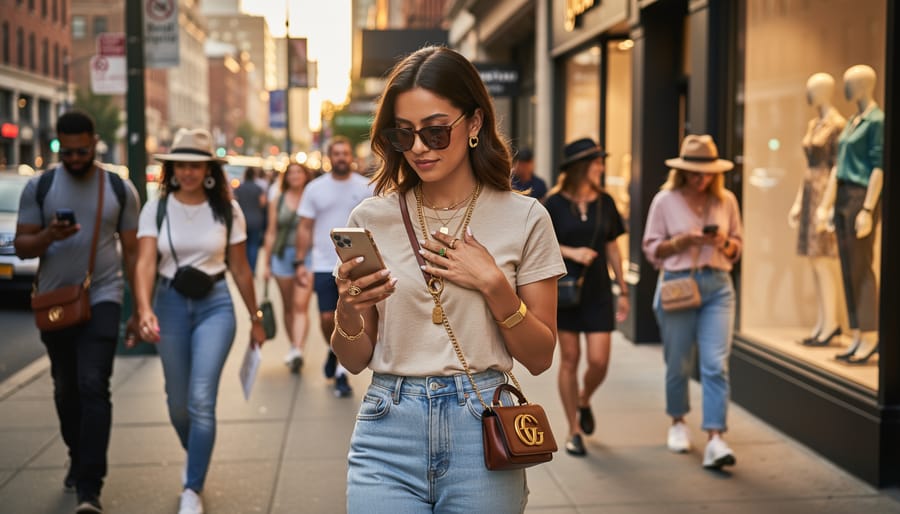
Ecommerce influencers leave their most visible impact in how quickly accessory trends move from inspiration to everywhere. When a mid-tier Instagram creator styles a specific crossbody bag in a Reel, it’s not uncommon for that exact piece to sell out within 48 hours. This trend acceleration has fundamentally changed the accessory retail cycle, brands now monitor influencer content as closely as runway shows, and followers check their favorite creators’ posts before seasonal shopping.
Beyond speed, these influencers have democratized luxury accessories in ways traditional fashion media never could. A creator might feature a $2,000 designer belt in one post, then show three similar styles under $50 the next day. They make high-end pieces feel accessible through honest commentary about whether an investment bag is worth the price, how to spot quality construction, or when a trend piece doesn’t justify luxury pricing. This transparency extends to occasions like gifting, where influencers showcase everything from affordable statement earrings to premium diamond jewelry gifts, helping followers navigate purchases at every price point.
Seasonal rotation has become another influencer-driven phenomenon. Rather than waiting for magazines to declare spring trends, accessory lovers now watch their trusted creators swap out winter scarves for lightweight bags and summer sandals in real time. These influencers essentially curate seasonal wardrobes publicly, showing followers exactly when and how to refresh their accessory collections.
Perhaps most valuable is the personalization factor. With thousands of ecommerce influencers covering every niche, you can find creators whose style, body type, and budget mirror your own. They become personal shoppers who’ve already tested pieces you’re considering, answering the questions product pages never address.
What Makes an Ecommerce Influencer Effective for Accessories
The most effective ecommerce influencers in the accessory space don’t just showcase products, they build trust through consistency and genuine expertise. Authenticity shows up in the details: wearing the same crossbody bag across multiple posts over weeks, not just featuring it once in a sponsored photo. When you see an influencer reach for that leather tote repeatedly in airport selfies, coffee runs, and weekend outings, you know it’s earned a permanent spot in their rotation. This repeated visibility matters far more than a single staged flat-lay.
Styling expertise transforms a simple product recommendation into actual wardrobe inspiration. The best influencers demonstrate how one statement necklace transitions from casual brunch to evening event, or how a belt bag works across five different outfits. They understand proportions, color coordination, and the practical realities of daily wear. Transparency builds the foundation of this relationship. Effective creators clearly disclose partnerships, but they also share honest feedback, mentioning that a designer handbag’s hardware scratched easily or that a trending hair clip didn’t hold thick hair as promised. They treat their audience’s budget with respect, mixing luxury splurges with affordable finds and sometimes breaking down personalized gift costs for special occasions.
Community engagement separates influencers who sell from those who truly serve their audience. They respond to DM questions about sizing, share where international followers can purchase, and create Stories answering “Does this come in other colors?” The conversation flows both ways. Which influencer qualities matter most to you when shopping for accessories, styling ideas, honest reviews, or finding pieces within your budget?
Common Questions About Ecommerce Influencers and Accessory Shopping
How do influencers actually earn from accessory posts?
Most ecommerce influencers earn through affiliate commissions (a percentage of each sale made through their links), brand partnerships (flat fees for featuring specific products), and sponsored content deals. When you click their link and buy that crossbody bag, they typically earn 5-15% of the purchase price, which motivates them to share products they believe their followers will genuinely buy.
Are influencer discount codes worth using?
Usually, yes. Codes typically offer 10-20% off and cost you nothing to try. Even if the savings seem modest, they add up on accessories, and some influencers negotiate exclusive deals their followers can’t get elsewhere. Just compare the discounted price against other retailers before assuming you’re getting the best deal.
How can I tell if an influencer genuinely loves a product?
Look for repeat appearances, does that tote show up in multiple posts over weeks or months? Check if they style it differently or mention specific details about quality and functionality. Authentic enthusiasm shows in varied content, not just one sponsored post, much like how a thorough Mad Monkey review examines real wear-and-tear experience.
Do influencer-recommended accessories actually hold up quality-wise?
It varies wildly by influencer and brand. The most trustworthy creators share follow-up posts about how pieces have worn over time, addressing strap durability, hardware tarnishing, or leather quality. If an influencer only shows brand-new items and never revisits them months later, that’s a red flag about whether they’re genuinely testing what they promote.
The key difference between an ad and an authentic recommendation isn’t always obvious, but there are tells. Legally required disclosures like #ad or #sponsored mark paid partnerships, but genuine recommendations go deeper than compliance. An influencer who shares why a specific wallet solved their organization problem, shows it stuffed with actual cards, and mentions a minor flaw alongside the praise is likely being authentic. Someone using generic phrases like “obsessed with this brand” across multiple unrelated posts without personal details? That’s usually just advertising in influencer clothing.
The landscape of accessory shopping has shifted dramatically, and ecommerce influencers sit at the heart of that transformation. What once meant browsing stores or flipping through magazines now starts with a scroll through Instagram, a tap on a shoppable post, and accessories arriving at your door days later. You’ve gained something valuable in this evolution: the ability to see pieces styled in real life, hear honest reviews from creators you trust, and discover options you never would have found on your own.
But here’s the real power shift, you’re not just consuming this content anymore. You understand how it works, what drives it, and how to engage with it on your terms. You can spot authenticity, recognize when a recommendation aligns with your style, and make purchasing decisions that actually enhance your wardrobe rather than clutter it.
Now we’d love to hear your story. Have you bought an accessory because of an influencer? Was it that crossbody bag you saw styled three different ways, or the gold hoops that kept showing up in your feed? More importantly, do you still reach for it? Share your experience in the comments, the wins, the regrets, and everything in between. Your perspective adds to our community’s collective wisdom about navigating this exciting, ever-changing world of accessory discovery.
Leave a Reply