
7 Essential Asbestos Disclosure Items Every UK Home Seller Should Know
When you’re preparing to sell your UK property in 2026, asbestos disclosure isn’t optional. It’s a legal requirement that protects buyers, shields you from future liability, and keeps your sale moving smoothly. You must provide clear, documented evidence of any asbestos-containing materials in your home through the TA6 Property Information Form, supported by professional surveys if your property was built or renovated before 2000. Miss a crucial detail, and you risk legal action, collapsed sales, or being forced to repurchase the property after completion.
Think of asbestos disclosure like curating your signature look for a first date. You wouldn’t hide a stain under accessories and hope no one notices. Transparency builds trust, and in property transactions, trust is everything. The good news? With the right checklist, navigating this process feels less like decoding legal jargon and more like ticking off items on your pre-holiday packing list.
Most UK homes built between the 1950s and 1999 contain some form of asbestos. Textured ceilings, pipe lagging, cement roof sheets, the list goes on. Buyers know this. They’re not expecting perfection, but they are expecting honesty. A comprehensive disclosure backed by professional reports demonstrates you’re a responsible seller who’s done the homework. It transforms a potential dealbreaker into a managed, documented detail that selling a house with asbestos doesn’t derail.
Why This Checklist Matters (And How We Put It Together)
When we set out to create this checklist, we knew it had to do more than just tick boxes. We interviewed sellers across England and Wales, reviewed 2026 guidance from the Health and Safety Executive, and analysed what actually trips people up during property transactions. The result? Seven items that genuinely matter, not everything you could disclose, but what you must disclose and what buyers consistently ask about.
Think of it like curating your wardrobe before a big move. You wouldn’t randomly toss things into boxes. You’d assess what’s valuable, what needs special care, and what absolutely has to come with you. That’s exactly how we approached choose the right items for this list, each one addresses a specific legal requirement or a real concern that surfaces during viewings and surveys.
We heard from Sarah, a Bristol seller who discovered textured ceilings in her 1970s semi contained asbestos, but only after a buyer’s survey flagged it. She had no documentation, no management plan, and suddenly faced tough questions she couldn’t answer. The sale delayed by six weeks while she scrambled for surveys and certificates. Her story isn’t unique, which is why every item on this checklist is here: to spare you that panic and position you as a confident, credible seller from day one. This isn’t about covering every theoretical scenario. It’s about equipping you with what actually works when you’re navigating a home sale in 2026.
1. Asbestos Survey Records: Your Home’s Hidden History
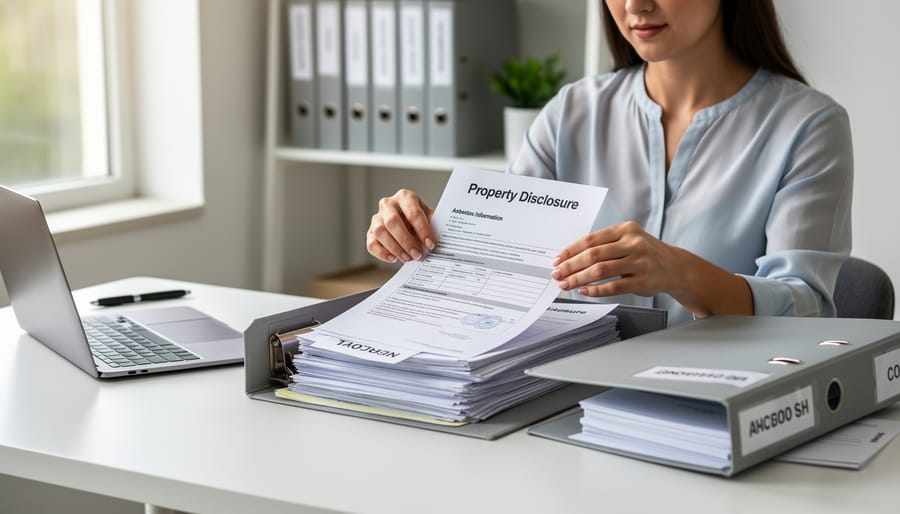
Think of an asbestos survey as the provenance certificate for your home. Just as you’d keep receipts and authenticity papers for a vintage Chanel bag, survey records prove exactly what’s hiding in the walls, ceilings, and floors of your property. If your home was built or renovated before 2000, there’s a real chance asbestos-containing materials were used somewhere, maybe in artex ceilings, old floor tiles, or pipe insulation.
You’re not legally required to commission a fresh asbestos survey before selling in most cases, but here’s where it gets interesting. If you already have one, perhaps from a loft conversion you did five years ago or the commercial survey a previous owner left behind, you absolutely must disclose it to potential buyers. Withholding that document is like hiding a repair receipt when selling a designer handbag. It’s not just poor form, it’s potentially actionable.
Smart sellers commission a Management Survey (also called Type 2) even when not strictly required. This non-intrusive inspection identifies accessible materials and gives buyers confidence. Think of it as getting your home appraised before listing it, the transparency adds value. Keep the full report, not just the summary page. Buyers and their solicitors will want to review findings, locations, and the surveyor’s recommendations. Store both digital and hard copies, ideally in a dedicated sale folder alongside your Energy Performance Certificate and building regs approvals.
2. Known Asbestos Locations: The Full Transparency Moment
Once you know asbestos exists in your home, there’s no looking away. This is your full transparency moment, the point where you disclose exactly where those materials are hiding, roofing tiles, pipe lagging, Artex ceilings, floor tiles, or that dated insulation tucked behind walls. Buyers will ask, and inspectors will look. Your job is to map it out clearly.
Think of this disclosure as your property’s care label. Just as you’d explain the care and maintenance needs of a cherished possession, you’re showing buyers what they’re working with. List every known location, no matter how small or seemingly insignificant. That textured coating in the downstairs loo? Mention it. The garage roof sheets? They’re on the list.
Transparency builds trust faster than any staged photo shoot. Buyers appreciate sellers who lay their cards on the table, it signals you’re serious, honest, and not someone who’ll spring surprises at the last minute. More importantly, UK law backs this up. Withholding known asbestos locations can derail your sale or leave you legally exposed later.
When in doubt, over-communicate. Create a simple written list or annotate your survey report. Buyers who know what they’re dealing with can plan accordingly, and that confidence often translates into smoother negotiations and quicker completions.
3. Condition Assessment: Is It Safe or Deteriorating?
Just as a vintage silk scarf requires different care than a leather jacket, asbestos materials demand attention based on their condition. This is where your disclosure moves from “yes, it’s there” to “here’s what state it’s in”, and believe me, buyers care deeply about the difference.
Stable, encapsulated asbestos that’s been undisturbed for decades? That’s generally considered low-risk, like a delicate vintage piece carefully stored in tissue paper. The fibres remain locked in the material, posing minimal threat when left alone. Your disclosure should note these materials exist but emphasize their intact, undisturbed condition.
Damaged or friable asbestos is another story entirely. Crumbling ceiling tiles, frayed pipe insulation, or deteriorating textured coatings release fibres into the air, the very scenario that creates health risks. If your survey identifies materials in poor condition, this absolutely must be disclosed with full transparency about the level of deterioration.
The condition assessment from your asbestos survey should specify whether materials are in good condition, slightly damaged, or significantly deteriorated. If remediation is needed, don’t DIY this requires licensed professionals with proper equipment and disposal procedures.
Think of this disclosure as your home’s honest condition report, protecting both you and your buyer from future complications.
4. Asbestos Management Plan: Your Ongoing Care Strategy
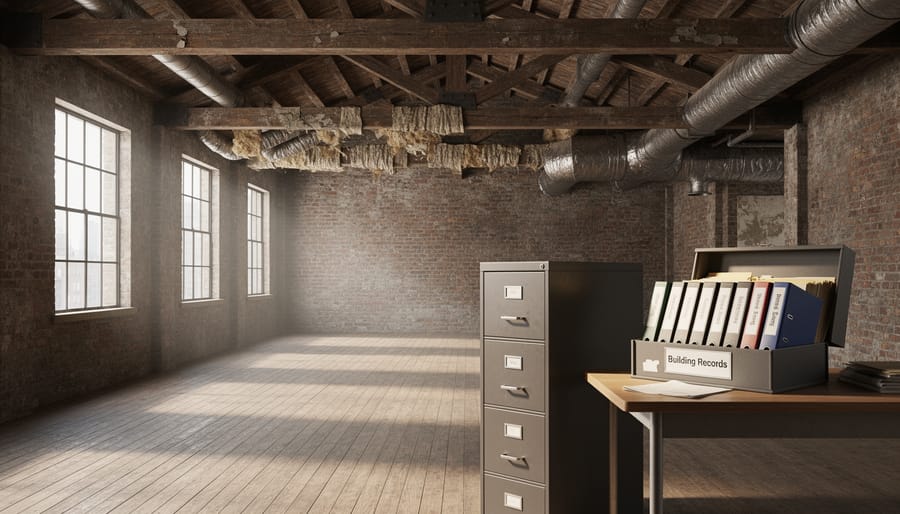
Think of an asbestos management plan as the care diary for your home, a detailed record that proves you’ve been a responsible custodian of the space. Just like you’d never toss a silk blouse in the washing machine without checking the label first, buyers want reassurance that any asbestos in your property has been handled with the same level of attentiveness.
If your home contains asbestos that hasn’t been removed, a management plan is your evidence of proactive care. This document outlines what asbestos materials exist, where they’re located, their condition when last checked, and any monitoring schedule you’ve followed. It might include inspection dates, photos showing stable conditions over time, and notes on any precautions taken during renovations or repairs.
Why does this matter to buyers? Because it transforms a potential red flag into a story of diligence. A well-maintained management plan shows you haven’t simply ignored the issue, you’ve actively monitored it, ensuring the materials remained undisturbed and safe. Buyers see this as evidence of a carefully kept home, reducing their anxiety and potentially speeding negotiations.
If you’ve never created one, now is the time. A licensed surveyor can assess your property and establish a baseline plan that demonstrates current safety and future monitoring protocols.
5. Removal or Remediation Records: Proof of Professional Work
If asbestos has been removed or remediated in your property, those certificates aren’t just nice-to-have paperwork, they’re your golden ticket to buyer confidence. Think of it like authentication papers for a designer handbag: without proof from a certified professional, buyers will rightfully question the work’s legitimacy and safety.
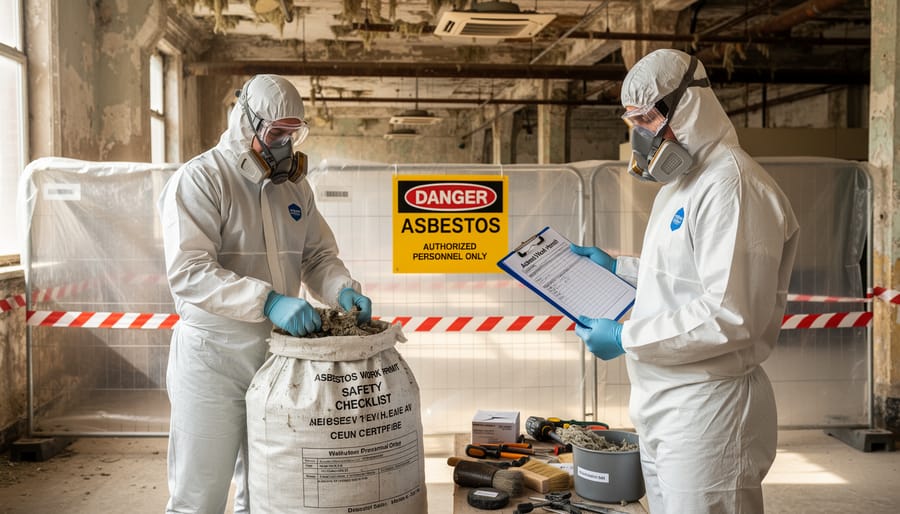
You must provide documentation from HSE-licensed contractors showing what was removed, when, and by whom. This includes the removal certificate, air clearance tests confirming safe fiber levels post-removal, and consignment notes proving hazardous waste was disposed of legally. These documents tell buyers the job was done right, protecting them and shielding you from future liability claims.
Here’s where the DIY temptation gets dangerous: asbestos removal isn’t like refinishing furniture or choosing items for a housewarming buying guide it requires specialized training, equipment, and legal compliance. Licensed contractors follow strict protocols for containment, removal, and disposal that protect everyone involved. Attempting this yourself can release deadly fibers, create legal nightmares, and tank your sale faster than a fashion faux pas at a gala.
Keep all certificates in a dedicated file with your property documents. If you’ve had encapsulation work instead of full removal, include those reports too. Professional documentation transforms a potential red flag into reassurance, proving you’ve handled your home’s asbestos story with the same care you’d give any valuable investment.
6. TA6 Property Information Form Accuracy: The Legal Paperwork
The TA6 Property Information Form is where your asbestos disclosure moves from conversation to contract. Think of it as your home’s official biography, the document that follows the property through its sale journey. Section 7.2 specifically asks about asbestos and hazardous substances, and here’s where you need precision over politeness.
The form presents a straightforward question: “Are you aware of the presence of any asbestos or asbestos-containing materials?” Your options are yes, no, or not known. Here’s the trap: answering “not known” feels safe, like hedging your bets, but it can backfire spectacularly. Buyers interpret vagueness as evasiveness or, worse, ignorance about your own property. Legal precedent shows that sellers who tick “not known” without genuine reason face challenges if asbestos surfaces later.
Be specific. If you’ve had a survey, state that and reference it. If your 1970s home has never been tested but you’ve lived there for twenty years without concern, explain that context in the additional information box. Documentation matters, keep essentials ready just as you would important papers in a trusted bag.
Vague answers stall conveyancing. Solicitors raise enquiries, buyers grow nervous, and your sale timeline stretches. Accuracy here isn’t about perfection, it’s about showing you’ve engaged with the question thoughtfully and honestly.
7. Buyer Questions and Your Response Plan: Be Prepared to Talk
Think of this as preparing your talking points for a first date, you want to be honest, confident, and ready for anything they might ask. Buyers will have questions about asbestos, and how you answer reveals everything about your transparency and trustworthiness.
Start by writing down the three questions you’d ask if you were buying your home. What’s in the roof space? When was the garage built? Has anything been removed? Practice your answers out loud until they sound natural, not rehearsed or defensive. You’re not hiding anything; you’re sharing your home’s story with someone who might love it next.
Keep all your documentation in one folder, survey reports, management plans, removal certificates, so you can reference specifics during viewings. When a buyer asks “Is there asbestos in the property?” you can say “Yes, in the garage roof, and here’s the survey from 2024 showing it’s stable and well-maintained” rather than fumbling for details.
The magic happens when you turn concern into confidence. A prepared, honest response doesn’t just answer their question, it shows you’re a seller who cares about getting things right. That peace of mind is what closes sales, sometimes faster than a reduced asking price ever could.
Common Questions About Asbestos Disclosure When Selling
Let’s tackle the questions that keep you up at night. The ones you’ve been Googling at 2 a.m. while wondering if you’ve missed something crucial. I’ve heard these from dozens of sellers over the years, and the answers are more reassuring than you might think.
Do I need a survey if my home was built after 2000?
Not necessarily. Asbestos was banned in the UK in 1999, so homes built after that date are unlikely to contain it. However, renovations using salvaged materials could be an exception, so if you know of any non-standard work, it’s worth checking.
What if I genuinely don’t know whether my home has asbestos?
You’re only obliged to disclose what you actually know. Answer the TA6 form honestly, “not known” is a valid response. That said, if your home was built before 2000 and you’ve never checked, buyers may request a survey before proceeding, which could slow your sale.
Can I be sued for non-disclosure after the sale completes?
Yes, if you knowingly withheld information about asbestos presence or condition. Buyers can pursue legal action for misrepresentation if they discover you were aware of asbestos but didn’t disclose it. Honesty protects you legally and financially.
What happens if asbestos is discovered during the buyer’s survey?
The buyer will typically ask for either a price reduction, professional removal before completion, or detailed management information. Having your own survey done first gives you control over the narrative and prevents last-minute surprises that derail negotiations.
Think of these questions as the fitting room moment of your home sale. You want everything to be transparent before anyone commits. The worst scenario isn’t discovering asbestos, it’s discovering it late, when trust has already been established and expectations set. Early knowledge gives you options and keeps you in the driver’s seat throughout the transaction.
Your Disclosure Checklist at a Glance
Think of this as your grab-and-go guide, the essentials checklist you tuck into your bag before heading out. Before you meet buyers or sign paperwork, run through these seven disclosure must-haves:
- Asbestos survey records showing professional inspection history
- Known locations where asbestos materials exist in your property
- Condition assessment noting whether materials are stable or deteriorating
- Management plan documenting how asbestos has been monitored over time
- Removal or remediation certificates from licensed contractors if work was done
- Accurate TA6 form completion with honest hazardous materials disclosure
- Prepared responses to anticipated buyer questions about asbestos presence
Save this list somewhere accessible, your phone, your documents folder, even printed by the kettle. When you can tick off each item with confidence, you’re not just legally covered. You’re telling buyers a complete, trustworthy story about your home. That transparency becomes your strongest selling point, turning what might feel like a liability into proof that you’ve handled everything with care and attention.
What Transparency Really Means for Your Sale
Transparency isn’t about exposing flaws, it’s about owning your story with confidence. When you disclose asbestos information honestly and thoroughly, you’re not inviting problems; you’re preventing them. Buyers appreciate clarity far more than perfection, and your openness creates the trust that moves sales forward rather than stalling them in doubt and renegotiation.
Think of it like curating your personal style: authenticity always resonates more than trying to hide what makes you real. The homes that sell fastest aren’t the ones without history, they’re the ones where sellers present that history with honesty and preparedness. You’ve done the work, gathered the records, and can answer questions without hesitation. That confidence is contagious. Buyers feel it, solicitors appreciate it, and suddenly the process that felt overwhelming becomes remarkably straightforward. Your willingness to be transparent doesn’t just protect you legally; it positions you as the kind of seller everyone wants to work with, organized, trustworthy, and genuinely invested in a smooth transition for everyone involved.
Selling a home is like curating the final chapter of one story while opening the door to another. There’s something bittersweet about handing over keys, about letting someone else write new memories in rooms that once held yours. And yes, asbestos disclosure might not be the romantic detail you imagined when you first thought about selling, but it’s part of honouring that transition with integrity.
I’ve watched friends navigate this exact moment, paperwork spread across kitchen tables, wondering if they’ve covered everything. The ones who approached disclosure with honesty? They slept better. Their sales moved faster. Buyers trusted them because transparency became the foundation of the entire transaction.
Think of this checklist as your confidence toolkit. You’re not just ticking legal boxes, you’re showing up as a seller who respects both the past of your home and the future of whoever comes next. That’s rare. That’s valuable.
Now I’m curious about your journey. Have you dealt with asbestos disclosure when selling? What surprised you most about the process? Or maybe you’re just starting this chapter and have questions swirling around. Share your story in the comments below, I’d love to hear what’s on your mind. After all, we’re all navigating these life transitions together, one carefully handled detail at a time.
Leave a Reply