
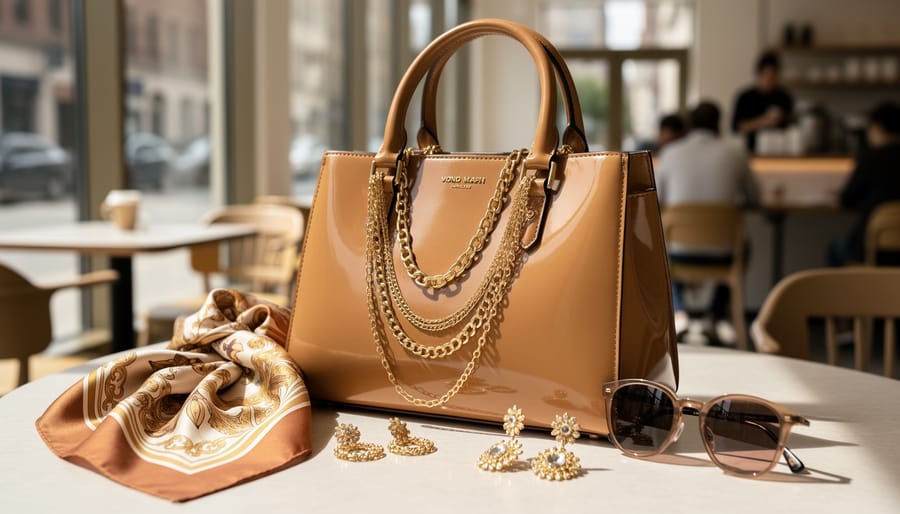
What Are Instagram Influencers (and How Do They Transform Our Approach to Accessorizing)?
Instagram influencers are fashion accessories content creators who use their platform to showcase styling ideas, product recommendations, and lifestyle imagery that shapes how their followers discover, buy, and wear jewelry, bags, scarves, sunglasses, and other finishing touches. In 2026, these digital tastemakers command audiences ranging from a few thousand to millions, and their impact on accessory trends and consumer behavior is measurable and significant.
If you’ve ever scrolled through your feed and suddenly wanted the layered necklaces someone wore in a coffee shop photo, or reconsidered a handbag purchase after seeing it styled three different ways by a creator you follow, you’ve experienced influencer impact firsthand. These individuals bridge the gap between runway presentations and real-world wearability, translating abstract trends into shoppable, relatable looks that feel achievable rather than aspirational.
What makes Instagram influencers particularly powerful in the accessories space is their ability to demonstrate context. A designer scarf becomes more desirable when you see it knotted ten different ways. A statement earring feels less intimidating when paired with a simple white tee in someone’s mirror selfie. They answer the silent question every shopper asks: how would this actually work in my life?
This article breaks down exactly what Instagram influencers are, how their influence translates into tangible purchasing decisions, the different types you’ll encounter as you scroll, and how to engage with their content thoughtfully. You’ll walk away understanding not just the mechanics of influencer culture, but how to use it as a tool for your own style evolution without losing sight of what genuinely resonates with you.
What Instagram Influencers Are, and Why They Matter to Your Accessory Choices
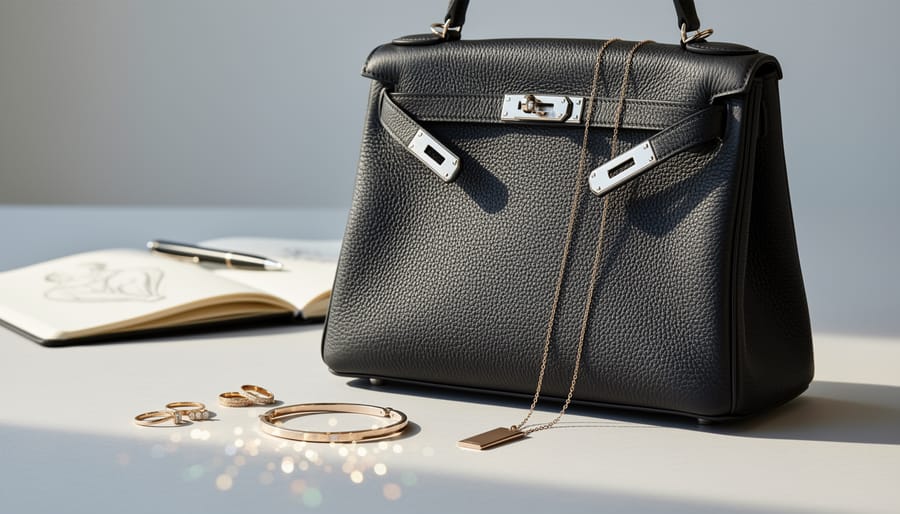
Instagram influencers in the accessorizing world are content creators who’ve built loyal audiences by sharing their personal style journeys, outfit formulas, and honest takes on the bags, shoes, and jewelry that make their looks complete. They range from fashion editors with hundreds of thousands of followers to stylish friends-of-friends with a few thousand engaged fans who trust their taste. What sets them apart isn’t follower count alone, it’s their ability to spark genuine interest and action, whether that’s saving a post for later inspiration, clicking through to learn more about a bracelet stack, or actually purchasing the crossbody bag they styled three different ways last week.
Think of them as the modern evolution of personal stylists and magazine fashion pages rolled into one. Where we once relied on glossy editorials and shop windows to discover new accessory trends, we now scroll through curated feeds that show real people, or at least people who feel real to us, incorporating statement earrings into everyday outfits or breaking in a new pair of boots. They’ve become trusted voices because they offer something traditional advertising rarely does: context. You see how that belt bag fits into an actual lifestyle, how those rings look stacked on someone’s hands during their morning coffee, how a silk scarf transitions from desk to dinner.
- Instagram influencer
- A content creator who uses their platform to shape opinions and purchasing decisions within their community through consistent, relatable posts. In accessories, they demonstrate styling, share finds, and offer guidance that followers actively seek out.
- Engagement rate
- The percentage of an influencer’s audience that actively interacts with their content through likes, comments, saves, and shares. Higher engagement often signals genuine connection and trust, making it more valuable than follower count alone.
- Sponsored content
- Posts or stories where a brand pays an influencer to feature their accessories, typically marked with #ad or #sponsored. These partnerships fund the influencer’s content creation but require disclosure by law.
- Affiliate partnership
- An arrangement where influencers earn commission on sales generated through their unique links or codes. This model aligns influencer income with actual purchases rather than flat fees.
- Brand ambassador
- A longer-term relationship where an influencer regularly represents a specific accessory brand, often receiving products, payment, and sometimes creative input. These partnerships suggest deeper alignment between the influencer’s aesthetic and the brand’s identity.
Their influence extends beyond individual product recommendations. They set the pace for which accessory trends gain traction, whether that’s mini bags making a comeback, chunky gold hoops replacing delicate studs, or a specific shade of leather suddenly appearing everywhere. When an influencer whose style you admire shows up consistently in wide-brim hats or colorful watch straps, it normalizes those choices and makes them feel approachable rather than intimidating. They create permission structures for experimenting with accessories you might have scrolled past in an online shop, and they provide the styling roadmap that makes the leap from inspiration to your own closet feel achievable.
How Instagram Influencers Shape Accessorizing Trends
From Post to Purchase: The Influence Cycle
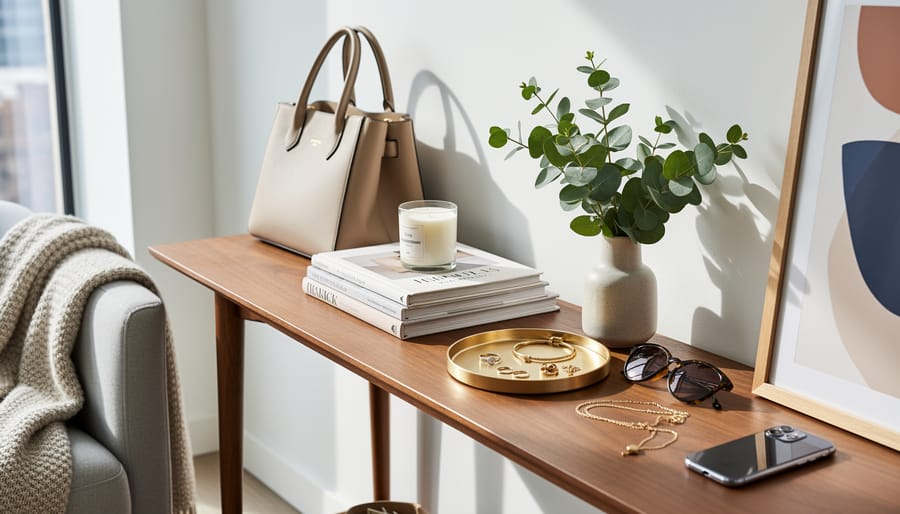
The journey from a double-tap to checkout happens faster than most of us realize. An influencer posts a photo wearing a sculptural gold cuff or carrying a structured leather tote, and within hours, sometimes minutes, that accessory starts appearing in shopping carts across the platform.
Instagram’s algorithm amplifies this cycle by prioritizing content that generates quick engagement. When followers immediately like, save, or share an accessory post, the platform shows it to more people within that creator’s audience and beyond. Each saved post becomes a digital bookmark, creating a collection of “things I want” that followers revisit when they’re ready to buy. The save function has become particularly powerful for accessories because people often need time to justify purchases or wait for sales.
Swipe-up links and tagged product features eliminate friction between inspiration and transaction. A follower sees a crossbody bag styled three different ways in an influencer’s carousel, taps the product tag, and lands directly on the brand’s page, no searching required. Influencers know this, which is why they frequently reshare accessories across Stories, Reels, and grid posts. That repetition isn’t accidental. Seeing the same statement earrings in a flat lay, then in a getting-ready video, then in an outfit photo creates multiple touchpoints that build familiarity and desire.
The cycle extends beyond Instagram itself. Followers screenshot looks to reference later, discuss finds in group chats, or search for similar pieces on other platforms, keeping the influence rippling outward long after the original post disappears from feeds.
The Power of Authenticity and Personal Connection
The trust followers place in influencers’ accessory recommendations rarely comes from polish alone. It builds through shared moments that feel real, a spontaneous story about a bag that survived a rainy commute, a close-up showing how a necklace clasp actually fastens, or an admission that those viral earrings pinch after three hours. These glimpses behind the curated feed create a sense of knowing someone, not just watching them.
Consistency matters more than perfection here. When an influencer returns to the same vintage crossbody month after month, styling it through seasons and occasions, followers notice. That repeated presence signals genuine affection rather than passing promotion. The bag becomes part of their identity, woven into their personal narrative in ways a single sponsored post never could.
Lifestyle alignment deepens this connection. A working parent demonstrating how to transition accessories from daycare drop-off to evening drinks resonates with followers navigating similar rhythms. Their accessory choices solve real problems, not theoretical styling exercises, and that practical relevance builds credibility no advertising budget can manufacture.
The contrast with obvious ads becomes stark in this context. When an influencer suddenly promotes a luxury watch that clashes with their established aesthetic, or delivers talking points that sound lifted from a press release, followers feel the disconnect immediately. Comments fill with skepticism. The saved-post rate plummets. Trust, built through months of authentic sharing, can fracture in a single tone-deaf partnership.
The influencers who truly shape accessory choices understand this fragility. They protect their relationship with followers by maintaining clear boundaries, disclosing partnerships transparently, declining collaborations that don’t fit, and continuing to share unsponsored favorites alongside paid content. That integrity keeps the conversation honest and the recommendations meaningful.
Different Types of Accessory Influencers on Instagram
Not long ago, the influencer landscape was simpler, celebrities and a handful of fashion bloggers dominated the conversation. Today, Instagram’s accessory space is a sprawling ecosystem with creators at every scale, each wielding influence in distinct ways. Understanding these categories helps you identify whose recommendations align with your style, budget, and values.
The tier system matters because follower count directly affects reach, relatability, and content approach. Mega-influencers (over one million followers) operate like traditional celebrities, showcasing high-end designer accessories to massive audiences. Their posts generate tremendous visibility for luxury brands, but the connection feels distant, more aspirational than accessible. Macro-influencers (100,000 to one million followers) bridge that gap, blending broad reach with niche expertise in specific accessory categories like handbags or fine jewelry.
Micro-influencers (10,000 to 100,000 followers) often deliver the highest engagement rates. Their communities feel like conversations rather than broadcasts. A micro-influencer specializing in sustainable jewelry might share the artisan’s story behind each piece, creating emotional investment that translates to purchasing decisions. Nano-influencers (under 10,000 followers) wield peer-level influence, their recommendations carry weight precisely because they feel like advice from a stylish friend rather than a paid endorsement.
Beyond follower counts, niche specialization carves the landscape further:
- Luxury handbag collectors showcase investment pieces, authentication tips, and resale value insights for followers building high-end collections
- Sustainable jewelry advocates spotlight ethical sourcing, artisan craftsmanship, and timeless designs that counter fast fashion’s disposability
- Vintage accessory curators unearth rare finds, teach era-specific styling, and celebrate the stories embedded in pre-loved pieces
- Affordable fashion stylists demonstrate how budget-friendly accessories elevate everyday outfits, making trends accessible regardless of income
- ecommerce influencers blend content creation with direct selling, often launching their own accessory lines or curated shops that blur the line between recommendation and retail
Your ideal influencer match depends on what you’re seeking. Chasing viral trends? Macro-influencers spot them early. Building a capsule accessory wardrobe? A micro-influencer focused on versatile styling offers more practical value. Want to support small makers? Nano-influencers championing independent designers provide direct pathways to discovery. The beauty of this fragmented landscape is choice, you’re no longer limited to whatever a handful of celebrities happen to wear. You can curate an inspiration feed as unique as your personal style, following voices that speak directly to your accessorizing goals and budget realities.
Where and How Influencers’ Impact Shows Up in Your Accessorizing
Discovering New Brands and Designers
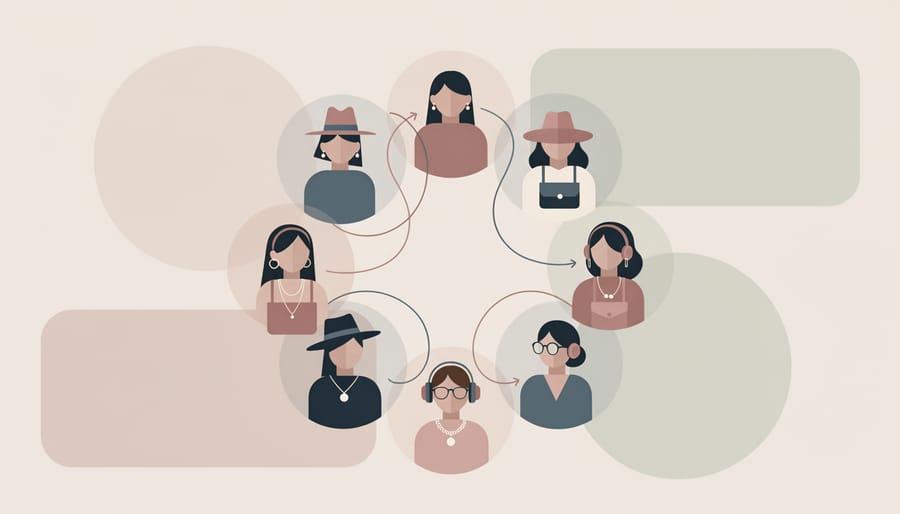
Before Instagram influencers reshaped discovery, most of us encountered new accessory brands through traditional retail gatekeepers, department store buyers, magazine editors, celebrity stylists. Now, a micro-influencer with 15,000 engaged followers can introduce you to a ceramicist in Portugal hand-crafting minimalist earrings or a leather goods collective in Mexico City producing vegetable-tanned bags using ancestral techniques. These creators act as scouts, traveling to craft markets, browsing independent showrooms, and mining direct-to-consumer websites that never secure traditional distribution. When an influencer styles a piece from an emerging designer, they’re not just showing a product, they’re telling that brand’s origin story, explaining the craftsmanship, and contextualizing how it fits into a real wardrobe. This curation matters especially for custom accessories and small-batch producers who lack advertising budgets. A single post can generate months of orders for an independent artisan, while followers gain access to distinctive pieces that set their style apart from mass-market sameness.
Learning to Style What You Already Own
One of the most valuable gifts influencers offer isn’t always about what to buy next, it’s showing you how to fall back in love with what’s already in your jewelry box or hanging in your closet. I’ve watched countless followers rediscover forgotten scarves, layer necklaces they’d worn solo for years, or style a basic belt in five completely different ways, all because an influencer demonstrated the technique in a fifteen-second reel. This educational dimension transforms passive scrolling into active learning, building your styling confidence piece by piece.
Influencers excel at breaking down outfit formulas into repeatable techniques you can apply immediately. They’ll show you how to transition summer sandals into autumn with the right socks, how to layer delicate chains for dimension, or which bag-and-shoe combinations create visual balance. Many create “style your X three ways” content that takes a single accessory, a silk scarf, a statement belt, personalized jewelry gifts you’ve treasured but rarely worn, and demonstrates its versatility across casual, work, and evening contexts. The revelation isn’t that you need more accessories; it’s that you haven’t been using what you have to its full potential.
What makes this particularly powerful is the visual format. Written styling advice can feel abstract, but watching someone physically layer three rings or knot a scarf removes the guesswork. You see exactly where the clasp sits, how loose the knot should be, which finger gets the statement piece. It’s like having a stylist demonstrate techniques you can pause, rewatch, and practice until they become second nature.
Navigating Influencer Content Thoughtfully
Scrolling through influencer content can feel like stepping into a beautifully curated dream world where every accessory looks perfect. But here’s the thing: your relationship with that content works best when it’s intentional, not passive.
Start by training yourself to spot sponsored partnerships. Look for hashtags like #ad, #gifted, or #partner in captions. When influencers disclose collaborations upfront, they’re being transparent, but that disclosure should shift how you weigh their enthusiasm. A paid promotion isn’t automatically dishonest, yet it carries different weight than an unprompted recommendation someone shares purely because they love it.
Ask yourself whether an influencer’s aesthetic truly aligns with your lifestyle before you click “buy.” That statement necklace looks stunning on someone attending fashion week events, but will it work with your actual wardrobe? The vintage leather satchel perfect for their content shoots might not survive your daily commute. Take inspiration from their styling techniques and color combinations, then apply those ideas to pieces that fit your real life and budget.
Speaking of budget: influencer culture thrives on newness, but your bank account doesn’t need to keep pace. When you see jewelry recommendations that spark genuine interest, save the post and revisit it after a few days. The cooling-off period reveals whether you’re responding to smart styling or just algorithmic persuasion. Compare pricing across retailers, consider whether a similar style exists at a lower personalized gift cost and remember that lasting style rarely requires constant purchasing.
Balance inspiration with your own voice. Influencers show possibilities, not mandates. Borrow their confidence in mixing metals or their trick for layering delicate chains, but filter everything through what makes you feel authentically yourself.
What’s one accessory you bought because of an influencer, and did it become a lasting favorite or a regret purchase?
Common Questions About Instagram Influencers and Accessorizing
Let’s address the questions that come up most often when you’re navigating the world of Instagram influencers and wondering how to make their content work for your accessorizing style.
How do influencers choose which accessories to promote?
The decision varies widely, some influencers only share pieces they genuinely love and purchase themselves, while others accept brand partnerships based on fit with their aesthetic and audience. Many use a hybrid approach, mixing organic favorites with sponsored collaborations that align with their established style.
Are influencer recommendations trustworthy?
Trustworthiness depends on the individual influencer’s track record and transparency. Look for consistent messaging over time, willingness to share both pros and cons of products, and clear disclosure of partnerships, influencers who’ve built long-term audiences tend to protect that trust carefully.
How can I find influencers whose style matches mine?
Start by exploring hashtags related to your aesthetic preferences, check who your favorite brands collaborate with, and pay attention to whose accounts get saved or shared by people whose taste you admire. Instagram’s algorithm will then surface similar creators once you engage with a few whose style resonates.
Do influencers only promote expensive accessories?
Not at all, micro and nano-influencers especially focus on accessible price points, and even larger influencers increasingly mix budget-friendly finds with investment pieces to reflect how real people actually shop and style their accessories.
Understanding the business side helps you evaluate what you see more critically. When an influencer posts about an accessory, consider how often they’ve mentioned that brand before, whether the styling feels natural to their usual content, and if they’re offering practical details about quality, sizing, or versatility rather than just aesthetic shots. The most helpful influencers treat their followers as friends they’re giving honest advice to, not just an audience to sell to.
Your relationship with influencer content should feel like getting styling tips from a knowledgeable friend who happens to have great taste, not pressure to buy everything you see. When you find creators whose judgment you trust and whose lifestyle somewhat mirrors your own, their content becomes a genuine resource rather than a source of endless wanting.
Instagram influencers have fundamentally changed how we approach accessorizing, breaking down barriers between runway trends and everyday style. What once required fashion magazines, expensive stylists, or insider connections is now available through a simple scroll. A college student in Ohio can discover the same independent jewelry designer as a fashion editor in Milan, and a working parent can learn styling techniques that once felt reserved for those with unlimited time and budgets.
This democratization comes with both gifts and responsibilities. The endless stream of beautifully curated accessory content can spark genuine creativity and help you discover your personal style. It can introduce you to artisans you’ll treasure for years and teach you to see your existing pieces with fresh eyes. But it can also create pressure to constantly acquire, to chase trends that don’t serve your life, or to measure your accessory choices against someone else’s highlight reel.
The most satisfying relationship with influencer content happens when you treat it as a starting point rather than a blueprint. Let influencers introduce you to possibilities, but trust your own instincts about what truly resonates. Your accessory story should reflect your values, your lifestyle, and your joy, not someone else’s brand partnership or aesthetic formula.
Which influencers have genuinely shaped how you think about accessories? Have you discovered a favorite piece through Instagram that’s become part of your signature style? Share your story in the comments.
Leave a Reply