
Why Outdoor Apparel Brands Are Now Your Best Fashion Investment
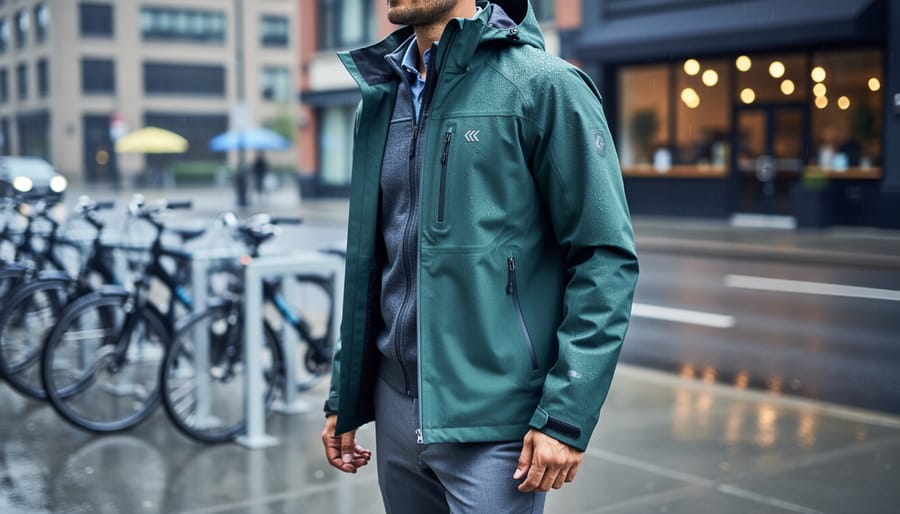
Outdoor apparel brands have evolved from purely functional gear into fashion statements that merge technical performance with everyday style, and the market’s explosive growth, from USD 28.9 billion in 2026 to a projected USD 57.3 billion by 2035, proves we’re witnessing a cultural shift, not just a trend. What started as fleece jackets reserved for weekend hikers has become the uniform of coffee runs, city commutes, and creative workspaces. These brands offer something traditional fashion can’t: pieces engineered to perform under real conditions while looking effortlessly cool.
The appeal goes deeper than versatility. Outdoor apparel tells a story about who you are and what you value. When you choose a jacket designed to withstand mountain winds or rain gear tested in actual downpours, you’re investing in quality that lasts. You’re also often supporting sustainability commitments, as many leading brands now prioritize recycled materials and low-impact production methods, a shift driven by consumers who demand environmental responsibility alongside style.
But here’s the real question: how do you incorporate technical outdoor pieces into a wardrobe that already reflects your personal aesthetic? The answer lies in understanding that outdoor apparel isn’t a separate category anymore. It’s become the foundation for a modern, adaptable wardrobe that transitions from trail to street without missing a beat. From Canada-based innovators like Arc’teryx to heritage brands reimagining classics, today’s outdoor labels understand that fashion-forward consumers want gear that performs beautifully in all contexts.
This isn’t about abandoning your style sensibility for practicality. It’s about discovering brands that honor both, and learning to style technical pieces with the same creativity you’d bring to any accessory or outfit choice.
The Fashion Evolution Happening in the Mountains
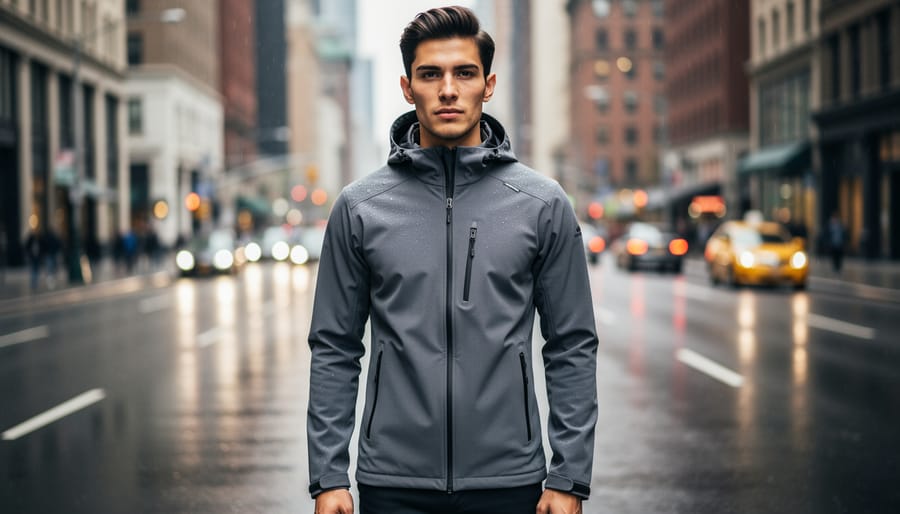
Something remarkable is happening at the intersection of mountain trails and city streets. The outdoor apparel brands that once existed solely in the realm of hardcore adventurers and weekend hikers have quietly become the defining aesthetic of modern fashion. Walk through any urban neighborhood today, and you’ll spot technical shells, performance fleeces, and trail-ready pants on people who might never set foot on a hiking path, and that’s precisely the point.
This shift isn’t just about clothing crossing over from one context to another. It represents a fundamental change in how we think about what we wear and why. The market grows to USD 28.9B in 2026, reflecting something deeper than trend-chasing: a cultural moment where authenticity, durability, and genuine purpose matter more than seasonal fashion cycles.
What makes this evolution fascinating is how performance and personal expression have merged. Technical fabrics designed to protect climbers from alpine storms now serve as armor against unpredictable weather and the demands of daily life. The breathability engineered for summit pushes translates to comfort during rush-hour commutes. These aren’t compromises, they’re upgrades that speak to who we are and what we value.
The brands leading this space understand something traditional fashion sometimes misses: we want pieces that work as hard as we do while telling a story about our relationship with the world around us. This isn’t about looking like you’re about to scale a peak when you’re grabbing coffee. It’s about choosing garments with integrity, craftsmanship, and purpose woven into every seam, qualities that resonate whether you’re on a trail or navigating urban terrain.
What Makes Outdoor Brands Different from Traditional Fashion
The Sustainability Story You Can Wear
When you slip on a jacket made from recycled ocean plastics or gear crafted through carbon-neutral production, you’re wearing your values. The outdoor apparel industry has become a surprising leader in eco-conscious fashion, driven partly by consumer preference for environmentally responsible products, a trend that’s reshaping how we choose the right accessories and wardrobe foundations.
What sets these brands apart is their commitment to sustainability practices that go beyond marketing buzzwords:
- Recycled materials sourced from post-consumer waste, transforming bottles and fishing nets into high-performance fabrics
- Low-impact production methods that minimize water usage and chemical treatments
- Durable design philosophy focused on pieces that last seasons rather than trends
- Transparent supply chains that trace materials from source to finished garment
This environmental responsibility creates a deeper connection between you and what you wear. Each piece tells a story that extends beyond the mountains or trails, it reflects your stance on consumption, quality over quantity, and leaving a lighter footprint. When outdoor brands invest in recycled materials and responsible production, they’re acknowledging that the landscapes inspiring their designs deserve protection.
The beauty is that choosing sustainable outdoor apparel doesn’t require sacrifice. These pieces offer the same technical excellence and style versatility you’d expect from premium fashion, with the added dimension of aligning with your personal ethics. It transforms getting dressed from a routine decision into a statement about the world you want to help create.
Technical Features That Elevate Your Everyday
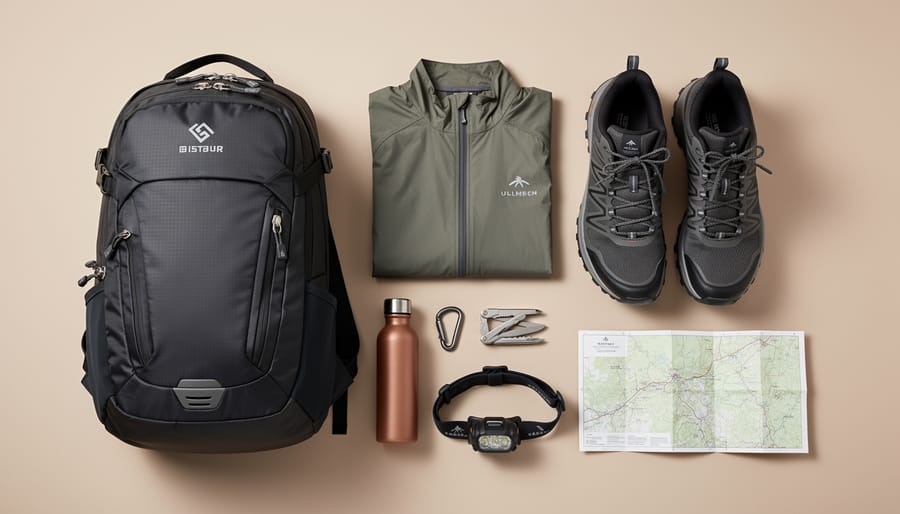
Think of the last time rain caught you off guard on your commute, or you wished you could layer without looking bulky. The technical features born in alpine environments solve these exact everyday frustrations, just disguised as seriously good-looking clothing.
Weather resistance means your jacket repels that unexpected drizzle without the crinkly plastic aesthetic of traditional rainwear. Modern DWR treatments and waterproof-breathable membranes keep you dry while maintaining a sleek silhouette that transitions seamlessly from office to evening plans. You stay comfortable instead of clammy, confident instead of constantly checking the sky.
Breathability transforms how you move through your day. Those same fabrics engineered for summit pushes regulate your body temperature during rushed subway transfers or warm cafe interiors. You can layer a technical mid-layer under your coat without overheating, then strip down without looking disheveled. It’s climate control that travels with you.
Packability might be the most underrated urban superpower. A down jacket that compresses into your bag means you’re prepared for temperature drops without lugging around bulk all morning. A windbreaker that stuffs into its own pocket becomes insurance against changeable weather, freeing you from the “should I bring it” mental load.
Then there are the unexpected bonuses: four-way stretch that moves with you rather than restricting, reinforced zones that handle daily wear without showing it, and pockets designed for actual use instead of decoration. These aren’t compromises between function and fashion. They’re upgrades to both.
How to Style Outdoor Pieces for Your Personal Aesthetic
Pairing Outdoor Gear with Your Favorite Accessories
The magic happens when you layer a lightweight technical shell over a silk slip dress, then anchor the look with all-weather boots and your grandmother’s vintage brooch pinned to the jacket collar. This kind of unexpected pairing is where outdoor apparel truly becomes a canvas for personal expression.
Start with your base technical piece, a merino wool midlayer or weatherproof jacket, then build around it with accessories that tell your story. A sleek waterproof anorak looks sophisticated when paired with crossbody bags in leather or canvas, creating that effortless urban explorer vibe. The key is contrast: pair rugged with refined, matte technical fabrics with metallic jewelry, streamlined outerwear with statement scarves.
I’ve found that bag trends complement technical wear beautifully because both prioritize function without sacrificing form. A minimalist backpack in recycled nylon pairs unexpectedly well with delicate gold layered necklaces peeking from beneath a quarter-zip fleece. Or try tucking slim trousers into technical hiking socks, finishing with professional casual shoes for a meeting that flows seamlessly into an evening walk.
What’s your most unexpected accessory pairing with outdoor gear? I once wore a chunky resin cuff bracelet with a puffer vest and received more compliments than any carefully planned outfit that month. The freedom to mix performance pieces with your treasured accessories creates looks that are entirely, authentically yours, no rulebook required.
Brands That Are Redefining the Space
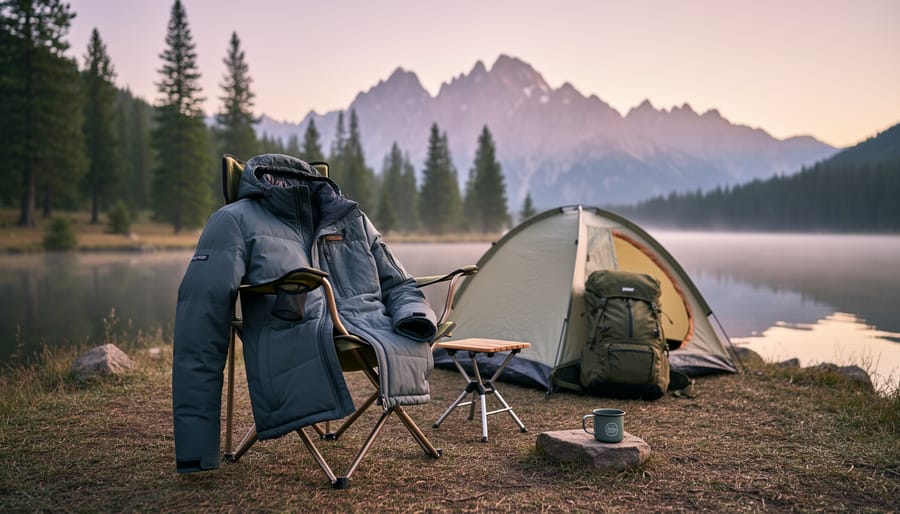
The brands reshaping outdoor apparel aren’t just making clothes, they’re crafting identities. Take Arc’teryx, the Vancouver-based brand that’s become synonymous with architectural precision in outerwear. Their pieces aren’t just weatherproof; they’re conversation pieces, with clean lines and thoughtful details that transition seamlessly from alpine environments to art gallery openings. This Canadian example of design excellence shows how technical mastery and aesthetic sophistication can coexist beautifully.
But the landscape extends far beyond one brand. Patagonia continues to lead with radical transparency about their supply chain, while newcomers are emerging with fresh perspectives on what outdoor wear can mean in your daily life. Some focus on minimalist design languages, others on bold color stories that challenge the earthy palette stereotype. What unites the most compelling brands is their refusal to choose between performance and personality.
When you’re discovering brands that align with your values and style, look for these qualities:
- A clear design philosophy that speaks to how you want to move through the world
- Genuine sustainability commitments beyond marketing buzzwords, including recycled materials and low-impact production
- Versatility in their pieces, designed to work across contexts rather than just on trails
- Community engagement that reflects shared values and invites you into a larger story
- Innovation in materials that pushes beyond what you thought fabric could do
The most exciting part? You don’t need to choose a single brand identity. Your outdoor wardrobe can be as eclectic as your accessories collection, mixing established names with emerging designers who are reimagining what technical wear means. The brands redefining this space understand that your gear should express who you are, not just where you’re going. They’re creating pieces that earn their place in your closet through both capability and character, investment pieces that tell your story while protecting you from whatever the day brings.
The Investment Mindset: Why Quality Outdoor Pieces Last
I used to replace my wardrobe every season, chasing trends that felt outdated before the tags came off. Then I bought my first quality outdoor jacket, a weatherproof shell I honestly expected to wear maybe twice a year on actual hikes. Five years later, it’s still my most-worn piece, looking nearly identical to the day I brought it home. That shift changed how I think about every clothing purchase.
Outdoor apparel isn’t priced like fast fashion, and that’s precisely the point. When you’re investing in pieces engineered to withstand alpine conditions, you’re getting construction that laughs at your daily commute. Reinforced seams, abrasion-resistant fabrics, and weather-sealed zippers mean these items genuinely last years, not months. I’ve watched friends cycle through three cheap winter coats while my insulated parka remains flawless, making the per-wear cost almost laughable.
The versatility factor multiplies that value. A packable down jacket transitions from weekend trail to evening dinner without missing a beat. Technical pants work equally well scrambling over rocks or navigating city streets in unexpected rain. You’re not buying single-occasion pieces that languish in your closet ten months a year, you’re building a foundation that adapts to whatever your life throws at you.
This durability aligns perfectly with sustainable fashion principles the industry is embracing, from recycled materials to low-impact production methods. Buying fewer, better pieces that actually last reduces waste far more effectively than any recycling bin. You’re curating a capsule wardrobe where each item earns its space through genuine utility and timeless design.
Quality outdoor pieces become the reliable constants in your wardrobe, the ones you reach for instinctively because they’ve never let you down.
The convergence of outdoor functionality and personal style isn’t just reshaping what we wear, it’s transforming how we think about our wardrobes entirely. We’re watching a movement where sustainability, technical innovation, and self-expression merge into something beautifully practical. The outdoor apparel market’s projected growth to USD 57.3 billion by 2035 tells only part of the story. The real narrative lives in the choices we make each morning when we reach for that weather-resistant jacket that somehow works with everything, or the recycled fleece that carries both our values and our aesthetic.
What started in the mountains has migrated to city streets, coffee shops, and creative spaces, blurring the boundaries between where adventure ends and everyday life begins. These pieces have earned their place not through hype cycles but through genuine versatility and a commitment to lasting quality over disposable trends.
I’m curious: what outdoor-inspired piece has surprised you most in how you style it? Have you discovered unexpected ways to pair technical wear with your favorite accessories, or are you just beginning to explore this space? The community around functional fashion is growing, and your perspective adds to the conversation.
Whether you’re drawn to the sustainability story, the technical features that simplify your life, or simply the way these pieces make you feel prepared for anything, you’re part of a shift that values substance. Share your outdoor apparel discoveries, the brands you love, the combinations that work, the moments when function met fashion perfectly.
Leave a Reply